
Building Beyond Walls: The Legacy and Leadership of Abdur-Rahim Hameed (Revised)
Brother Abdur-Rahim Hameed stands as a distinguished leader in education, activism, and economic empowerment. Best known as the founder, president, and CEO of the Black Contractors Association (BCA), Hameed has…

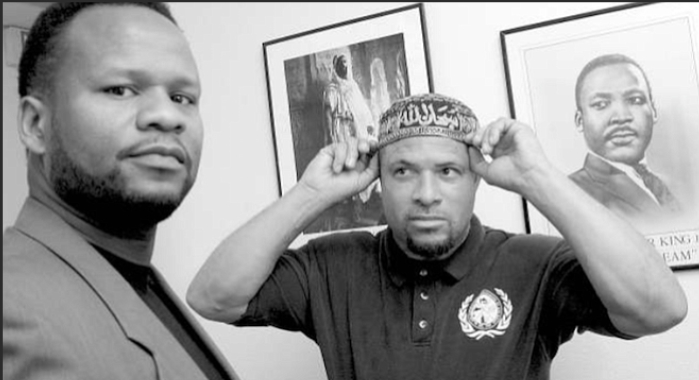
Brother Abdur-Rahim Hameed stands as a distinguished leader in education, activism, and economic empowerment. Best known as the founder, president, and CEO of the Black Contractors Association (BCA), Hameed has spent over four decades championing opportunities for Black professionals in the construction industry. Since establishing the BCA in San Diego in 1982, he has worked tirelessly to advance equity in public contracting, expand workforce development, and improve access to capital for minority-owned businesses. Through his leadership, the BCA has created pathways for countless individuals to launch successful careers and build sustainable enterprises in a sector historically marked by exclusion. At the heart of his work is a steadfast commitment to education, self-determination, and economic justice for the Black community.
A Movement Rooted in Purpose
Hameed's advocacy took shape during the rise of the Black Power movement. In the early 1980s, he observed a troubling shift: African Americans were no longer constructing the churches and institutions in their own neighborhoods. Banks and non-local contractors had taken over projects that once relied on the skilled hands of Black tradespeople. Compounding this issue was a pervasive stereotype that one misstep by a Black contractor would be used to discredit the entire community.
Determined to reclaim economic agency, Hameed and his colleagues began organizing community meetings, engaging clergy, and protesting discriminatory practices. Their grassroots efforts led to the reclamation of market share for Black tradespeople. At the time, there was home to a rich pool of skilled laborers including cement masons, wood framers, and concrete workers. Many of whom had migrated from the South. With this foundation, the BCA successfully led construction on iconic projects such as Bayview Baptist Church, St. Paul’s, and Christian Fellowship.
Empowerment Through Apprenticeship
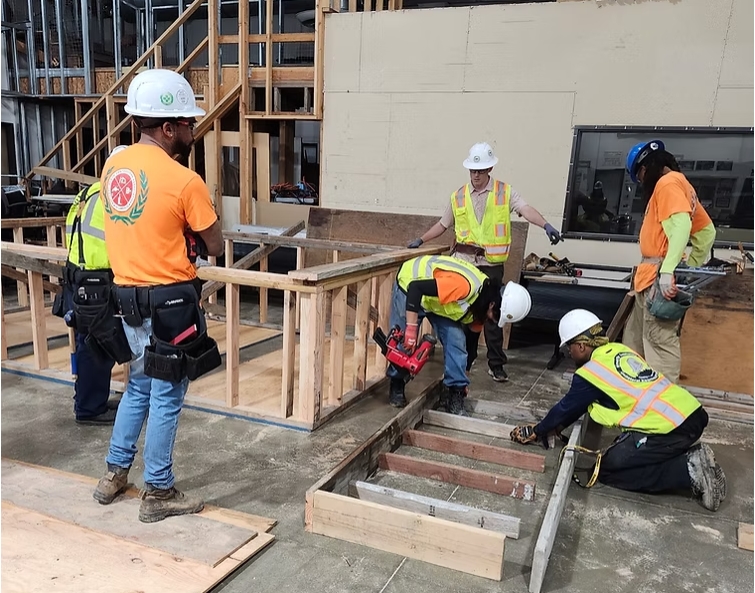
Over the past four decades, the BCA has reshaped the construction landscape in San Diego and beyond. One of its most transformative achievements has been the development of federally and state-recognized apprenticeship programs in partnership with San Diego City College and other institutions. These programs have established direct pipelines for African Americans to become journeymen, contractors, and business owners.
Thousands of participants have launched careers through the BCA's training programs. The model has proven so effective that it has expanded to five states and 17 chapters across the country; demonstrating the power of grassroots advocacy to drive systemic change.
Persistent Barriers
Despite the progress made, structural inequities remain. Hameed points to project labor agreements (PLAs) and “community benefits agreements” as mechanisms that, while well-intentioned, often marginalize Black contractors and apprentices. These agreements tend to prioritize union-only participation, effectively excluding non-union Black tradespeople, even when they are certified and qualified.
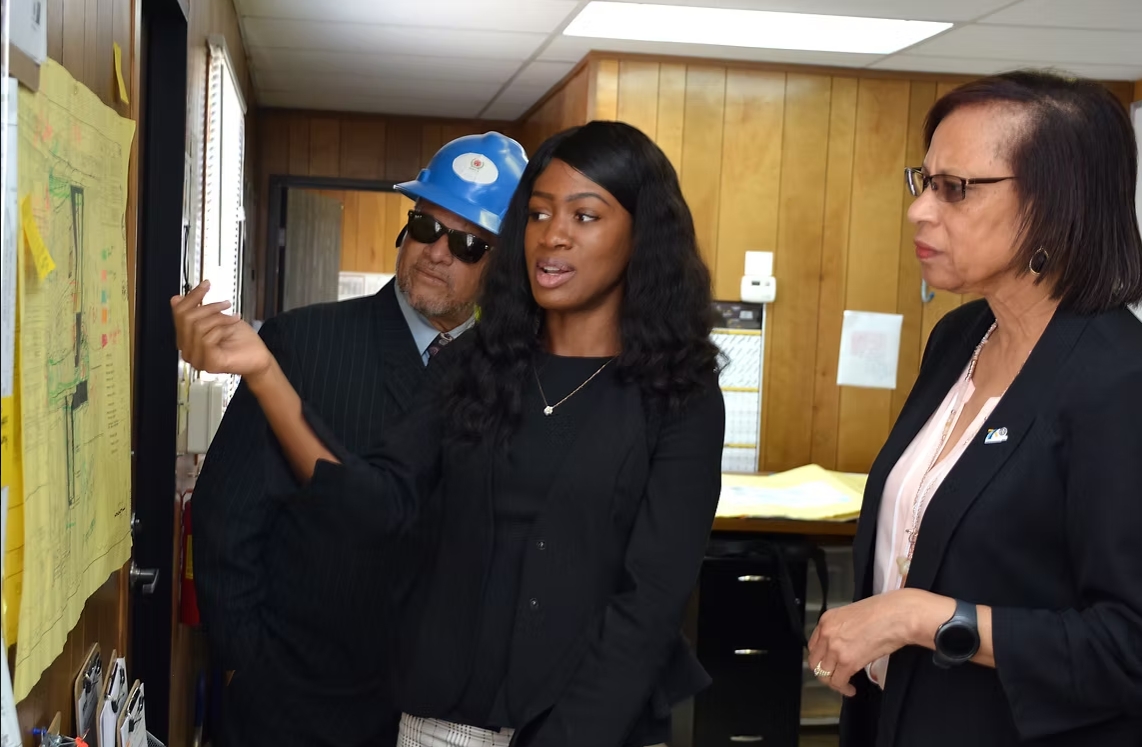
As a result, BCA-trained apprentices are frequently barred from working on large-scale public projects funded by entities such as the City of San Diego or the Airport Authority. This exclusion, often rooted in political dynamics and union alliances, has limited opportunities for African Americans in the trades.
To address this disparity, the BCA is actively advocating for the formation of a National Black Carpenters Union. In the meantime, many BCA-affiliated contractors have shifted their focus to private sector opportunities such as home renovations, remodeling, and accessory dwelling unit (ADU) development.
Stories That Inspire
The real measure of Hameed’s impact lies in the lives he has transformed. One such story is that of Dwight Booker, a former athlete whose career in basketball ended prematurely due to injury. Encouraged by his father to consider the trades, Booker entered the BCA’s apprenticeship program, became a journeyman, and now works as a foreman while serving as a leader within the Black Carpenters Task Force.
Another powerful example is Abdul Ibn Najor, who also completed the BCA apprenticeship. After joining the carpenters’ union and gaining experience as a foreman, Najor launched his own contracting business. Today, he runs a successful company that hires from the local community, generates millions in revenue, and fosters a new generation of skilled professionals.
These success stories underscore the tangible, long-term effects of Hameed’s vision and creates pathways to economic mobility and empowering communities from within.
Defining Leadership
When asked about leadership, Hameed emphasizes humility, ethical grounding, and a service-oriented mindset. “Leadership isn’t something you pursue, it finds you,” he explains. For him, leadership is about modeling integrity, listening attentively, and uplifting others while continuing to refine one’s own craft. Faith, moral clarity, and dedication to community are the pillars on which his leadership rests.
Conclusion
Brother Abdur-Rahim Hameed’s legacy extends far beyond bricks and mortar. He has built opportunity, hope, and generational change. From his early activism to his visionary leadership of the Black Contractors Association, Hameed has shown what is possible when one leads with purpose, persistence, and principle.
His story is more than history. It’s a blueprint. A call to action. A reminder that leadership begins with serving others and ends with building something greater than oneself. For those who follow in his footsteps, the message is clear: the tools of change are in our hands.
Carpentry | Black Contractors Association | United States

About TOTA
TOTA.world provides cultural information and sharing across the world to help you explore your Family’s Cultural History and create deep connections with the lives and cultures of your ancestors.