
Building Beyond Walls: The Legacy and Leadership of Abdur-Rahim Hameed
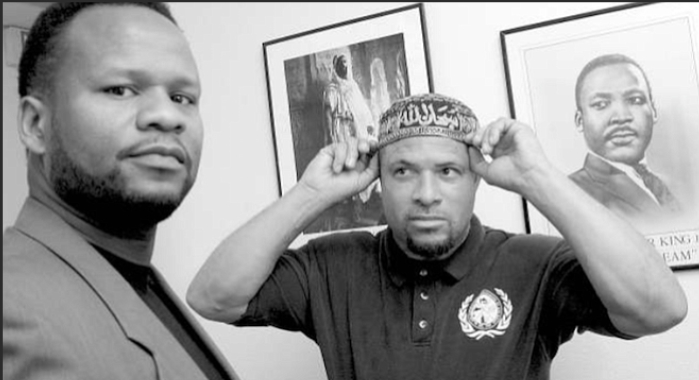
Brother Abdur-Rahim Hameed is a prominent leader in education, activism, and economic legacy. He is best known for his work with the Black Contractors Association (BCA). As the founder, president,…

Building Beyond Walls:
The Legacy and Leadership of Abdur-Rahim Hameed
Brother Abdur-Rahim Hameed is a prominent leader in education, activism, and economic legacy. He is best known for his work with the Black Contractors Association (BCA). As the founder, president, and CEO of the BCA (established in San Diego in 1982), Hameed has spent decades championing opportunities for Black contractors and workers in the construction industry. A committed advocate for education and community development, he has worked tirelessly to secure equity in government contracting, expand workforce training, and improve access to capital for minority-owned businesses. Under his leadership, the BCA has opened pathways for countless individuals to establish thriving careers and businesses in an industry that has long been difficult to access. Hameed’s lifelong mission centers on empowering the Black community through education, self-determination, and economic justice.
A Movement Born from Necessity
Hameed’s journey into advocacy began during the Black Power movement. In the early 1980s, he noticed a disturbing trend: African Americans were no longer building the churches in their own communities. Banks and outside contractors had taken over projects that historically relied on local Black tradespeople. This lack of opportunity was compounded by stereotypes: if one black contractor made a mistake, the entire community’s capability was questioned.
Determined to reclaim economic legacy, Hameed and his colleagues began meeting with pastors, protesting inequities, and winning back market share for Black contractors. At the time, there was an abundance of skilled tradesmen: cement masons, concrete workers, wood framers, etc. who had migrated from the South, and they were ready to build. This foundation allowed the BCA to complete landmark projects such as Bayview Baptist, Saint Paul’s, and Christian Fellowship.
Building Power Through Apprenticeship
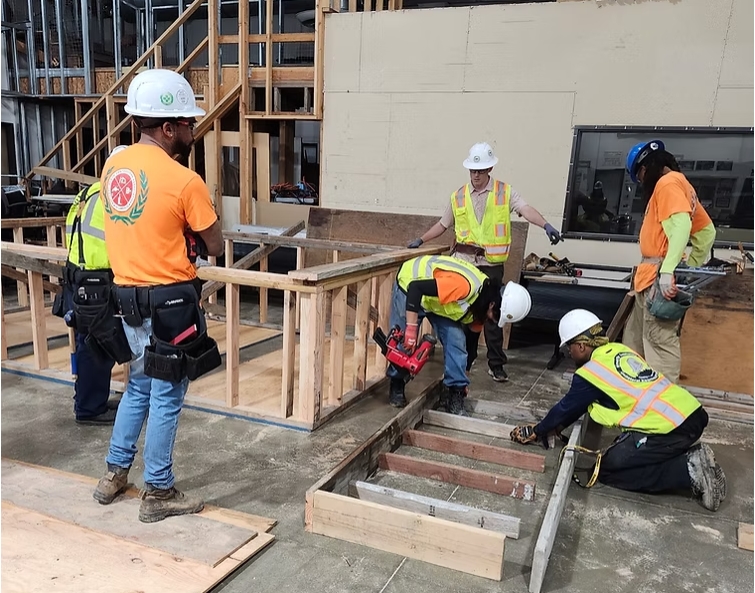
Over the next four decades, the BCA transformed the construction landscape in San Diego and beyond. One of its most impactful contributions has been its federal and state apprenticeship programs, developed in partnership with San Diego City College and other local institutions. These programs created direct pipelines for African Americans to become skilled journeymen, contractors, and business owners.
Thanks to these efforts, countless apprentices have gone on to successful careers. The BCA’s model has been so effective that it has been replicated in five states and seventeen chapters nationwide, proving that grassroots advocacy can spark systemic change.

Barriers That Remain
Despite these successes, systemic barriers persist. According to Hameed, project labor agreements and so-called “community benefits agreements” have, in recent years, excluded many black contractors and apprentices from public projects. These agreements often favor union-only policies, effectively shutting out workers not affiliated with certain unions.
While BCA apprentices are state-certified and skilled, they are frequently prohibited from working on major projects funded by public agencies, such as the City of San Diego or the Airport Authority. This exclusion, driven by political reliance on union support, has stifled opportunities for many African Americans in the trades.
In response, the BCA is fighting to establish a National Black Carpenters Union to ensure equal access to these lucrative and career-defining projects. In the meantime, many BCA contractors have found success in the private sector through home improvement, remodeling, and accessory dwelling unit (ADU) construction.
Stories of Success
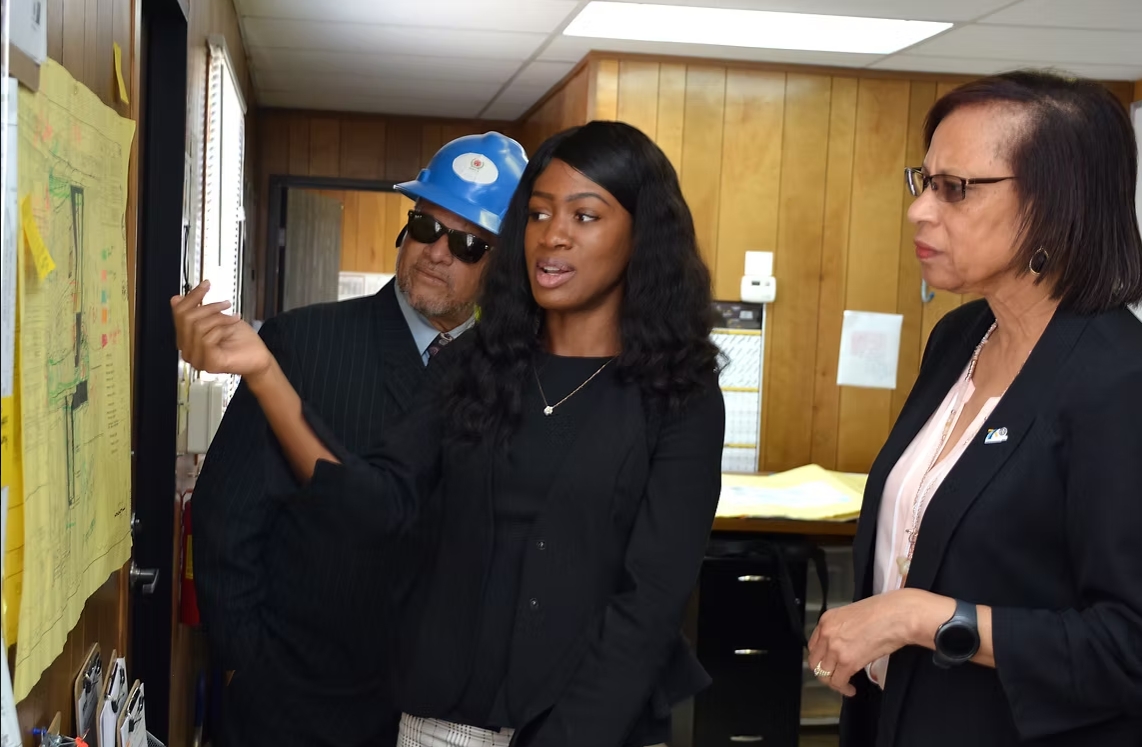
The true impact of Hameed’s work is best seen in the lives he has changed. He recalls the story of Dwight Booker, a former athlete whose basketball career was cut short by injury. Encouraged by his father to learn a trade, Booker entered the BCA apprenticeship program, became a skilled journeyman, and is now a foreman leading large crews while serving as a leader in the Black Carpenter’s Task Force.
Another success is Abdul Ibn Najor, who completed the BCA program, joined the carpenters’ union, and became a foreman before starting his own contracting business. Today, Najor runs a thriving company that hires and trains workers from the community, generating millions in revenue and building a legacy of excellence.
These stories, among many others, demonstrate how Hameed’s vision has translated into real economic mobility and community empowerment.
Leadership, Defined
When asked about leadership, Hameed emphasizes humility, ethics, and service. Leadership, he explains, is not something one seeks; it is something that finds you. True leaders lead by example, listen as much as they speak, and carry themselves with integrity. For Hameed, leadership begins with faith, moral clarity, and a commitment to uplifting others while honing one’s own craft.

Conclusion
Brother Hameed’s story and all the work he’s done has really opened my eyes. He didn’t just build buildings. He built opportunities, hope, and a legacy for our community. From fighting for equity in the construction industry to training the next generation of skilled workers, his dedication is truly inspiring. I can see the passion and purpose that drives him. It truly makes me want to step up in my own way too. I want to thank him for sharing his journey, struggles, and victories with me. I’m walking away from this interview not only informed but motivated to carry on that same spirit of leadership and empowerment that he’s shown us.
Carpentry | Black Contractors Association | United States

About TOTA
TOTA.world provides cultural information and sharing across the world to help you explore your Family’s Cultural History and create deep connections with the lives and cultures of your ancestors.