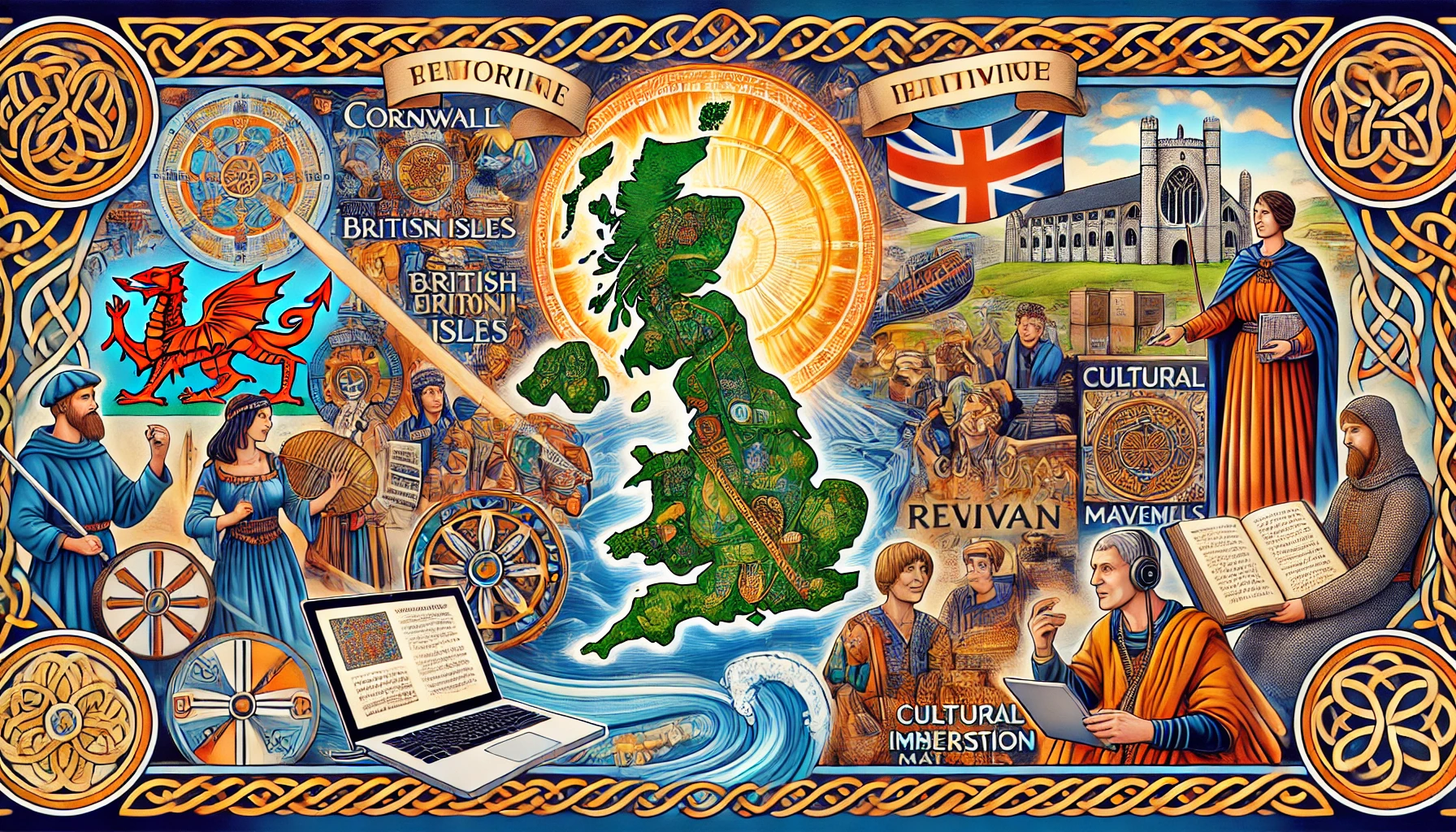
Revival of Britonnic Language: Preserving a Cultural and Linguistic Legacy
The Britonnic language, a beautiful and ancient tongue, holds a deep cultural significance for the people and regions it once thrived in. However, like many languages around the world, Britonnic…

Revival of Britonnic Language: A Cultural and Linguistic Journey
The Britonnic language, a beautiful and ancient tongue, holds a deep cultural significance for the people and regions it once thrived in. However, like many languages around the world, Britonnic is now considered endangered. The decline in native speakers, combined with the dominance of more widely spoken languages, has left this unique language on the brink of disappearing. But there is hope. Today, there is a growing movement dedicated to the revival of Britonnic, a movement that brings together language enthusiasts, educators, and cultural advocates to ensure that this language—and the rich heritage it carries—continues to thrive for generations to come.
Introduction to Britonnic Language
Britonnic, also known as British Celtic, is a branch of the Celtic language family that was historically spoken in Britain, particularly in regions like Cornwall, Wales, and parts of Brittany in France. The language was once widely used by ancient Britons, contributing to the cultural and social fabric of the time. Over the centuries, Britonnic evolved and spread to various regions, influencing both spoken and written forms of communication.
As time progressed, however, Britonnic fell into decline. The advent of English as the dominant language of Britain, coupled with the spread of global languages, marginalized Britonnic speakers, leading to a sharp reduction in its use. Today, it remains an endangered language, with only a few hundred speakers scattered across the world, mainly in specific communities in Cornwall and Brittany.
The Culture and History Behind Britonnic
The history of Britonnic language is intertwined with the culture, art, and traditions of the British Isles. It carries the voice of ancient peoples who lived in harmony with the land, their stories, beliefs, and customs passed down through generations. This language was the vehicle for many of the earliest recorded works of literature in Britain, capturing the myths, legends, and philosophies that shaped the identity of its speakers.
Britonnic was more than just a means of communication—it was a reflection of the unique cultural landscape of ancient Britain. It connected communities, fostered social bonds, and celebrated the rich diversity of the British Celtic tradition. From poetry to storytelling, religious rituals to everyday life, the Britonnic language was a cornerstone of the early Celtic world.
The Endangered Status of Britonnic
The decline of Britonnic can be attributed to several factors, the most significant of which is the rise of English as the dominant language in Britain and beyond. The spread of English-speaking colonies, global trade, and the influence of the British Empire led to the displacement of Britonnic speakers. Over the centuries, the language was gradually replaced, and many of the Britonnic-speaking communities were assimilated into English-speaking societies.
Today, Britonnic is classified as a critically endangered language. Fewer than 1,000 speakers remain, with most of them being elderly members of the community. Efforts to revive and preserve the language have been met with challenges, including a lack of resources, limited exposure, and the global dominance of English. But despite these obstacles, a dedicated group of individuals and organizations are working tirelessly to reverse the decline of Britonnic and bring it back to life.
Our Commitment to Reviving Britonnic
At Britonnic Revival, we understand the importance of preserving and reviving this ancient language. We are deeply committed to ensuring that Britonnic not only survives but thrives in the modern world. Our mission is to create accessible resources, build awareness, and foster a new generation of speakers who are passionate about their cultural heritage.
We believe that language is a living entity—it evolves, adapts, and grows. But for a language like Britonnic to grow, it requires effort, dedication, and most importantly, community support. Through our platform, we aim to connect people who are interested in learning and preserving Britonnic, and we offer a wide range of resources to help them along their journey.
Products to Aid in Britonnic Language Learning
To support the revival of Britonnic, we have developed a range of products specifically designed for language learners. Our Britonnic Language Learning Kits offer a variety of tools, including audio lessons, and interactive online platforms. These products are created with learners of all ages in mind, whether they are just starting their journey with Britonnic or are looking to refine their skills.
Additionally, we offer cultural immersion products, such as Britonnic educational materials, to help learners connect with the language in a meaningful way. By combining language learning with cultural experiences, we aim to provide a comprehensive and enriching journey that highlights the beauty and significance of Britonnic.
Join Us in the Revival of Britonnic
The revival of Britonnic is not just about preserving a language—it is about safeguarding a culture, a history, and a legacy. We invite you to join us in this important mission. Whether you are a native speaker who wants to reconnect with your roots or a newcomer eager to learn, we welcome you to be part of the Britonnic Revival community.
Together, we can ensure that the Britonnic language continues to echo through the generations, preserving its beauty, its history, and its role in the cultural tapestry of the British Isles.
Conclusion
The Britonnic language is more than just words—it's a key to understanding the past, connecting with our ancestors, and celebrating the diverse cultures that have shaped our world. The efforts to revive Britonnic are vital, and we are proud to play a part in this movement. We invite you to learn more, explore our products, and join us in breathing new life into this endangered language.
About TOTA
TOTA.world provides cultural information and sharing across the world to help you explore your Family’s Cultural History and create deep connections with the lives and cultures of your ancestors.