VISION 2030 A Roadmap for California Community Colleges

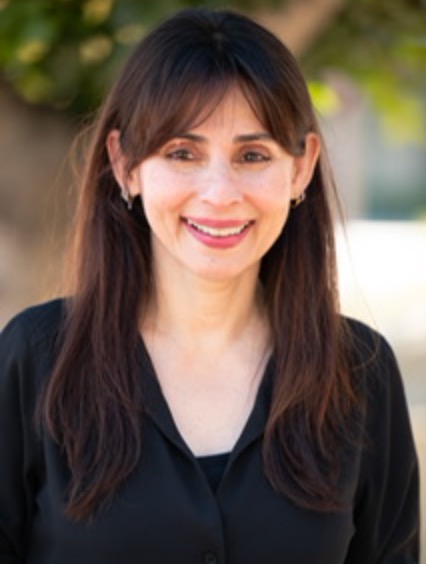
Sonja Christian, Chancellor

Dear Californians:
I am delighted to present Vision 2030: A Roadmap for California Community Colleges, a living document, collaboratively developed to be collaboratively maintained, designed to provide focus and direction for our 116 community colleges in this great and diverse state of California. Our challenges are many, yet our greatest challenges enable us to do our greatest work, triggering our creativity and collective brilliance.
Vision 2030 envisions a higher education system more inclusive of all Californians that ensures access points for every learner, across race, ethnicity, region, class and gender to enter a pathway, with tailored supports, with exit points to transfer or complete a community college baccalaureate or obtain a job with family-sustaining wages. Vision 2030 calls on our system to continue to optimize educational technologies, both existing and emergent. Students should not have to navigate needlessly complicated systems and processes that we have yet to improve. We are only seeing early indications of what can be done with generative AI, with an accelerating rate of change; California Community Colleges will engage, eyes wide open with the potential risks and benefits of this powerful tool. Vision 2030 calls on California’s community colleges to lead in climate action: in workforce development and in our built spaces and daily operations.
The 116 colleges and their centers across California, even in some of the remote locations, are primed to build the next wave of climate action solutions like the creation of microgrids for grid resilience, particularly in our disinvested communities. Our science, arts and humanities curricula also need to instill the importance of taking care of our planet. I am excited that Vision 2030 reexamines what access means when we lead with equity. We are the largest system of higher education in the nation, serving 1.9 million students and yet 6.8 million Californians who graduated high school have not completed a college credential. This group is highly racialized, disproportionately likely to be low-income and struggle to find gainful employment.
Vision 2030 asks the fundamental question - why have we not yet reached these individuals? When students cannot find their way to college, it is our responsibility to bring college to them. This means partnering with community-based organizations, worker represented organizations and industry leaders to take college to our future learners. I’m energized by the conversations on how colleges can recognize learning wherever it happens, in the classroom, or outside the classroom for example, on-the job training through apprenticeships and internships, so that all Californians have an opportunity to initiate and accumulate college credit toward a college credential.
Vision 2030 calls for establishing the infrastructure for credit for prior learning, a critical element for socioeconomic mobility for our adult learners. Vision 2030 prioritizes skill building for jobs that pay living wages while recognizing that a baccalaureate degree is a powerful predictor of higher wages. All Californians must have a viable path to completing a bachelor’s degree if they choose to do so. We will engage with purpose, creativity, thoughtfulness and urgency. California is a world leader in innovation and so are its community colleges. Vision 2030 calls on the California community college people to rise, to build the necessary systems to bust through administrative barriers, to reform policy that unlocks potential and to bring resources for action at scale and with fidelity. We commit to taking care of our students, our communities and our planet. Our time is now!
Sonya Christian, Chancellor Vision 2030: A Roadmap for California Community Colleges
About TOTA
TOTA.world provides cultural information and sharing across the world to help you explore your Family’s Cultural History and create deep connections with the lives and cultures of your ancestors.