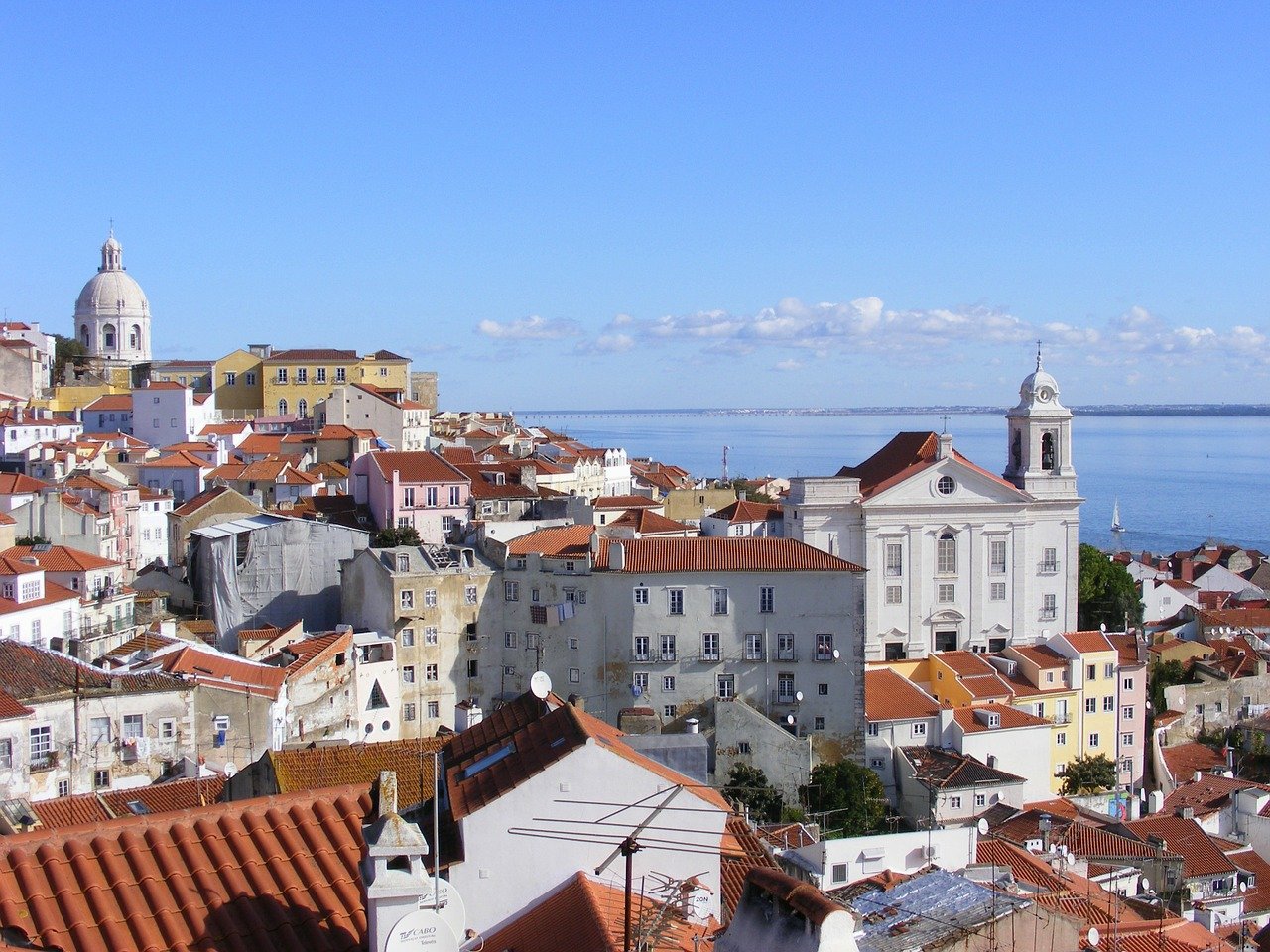

Video: Fado, Urban Popular Song of Portugal
Fado is a national musical genre of Portugal that first gained prominence in the early 1800s. Its name, likely tied to the Latin word for ‘fate,’ calls to mind rich,…

Fado is a national musical genre of Portugal that first gained prominence in the early 1800s. Its name, likely tied to the Latin word for ‘fate,’ calls to mind rich, melancholy tunes longing for bygone days. The style appears to have developed around the ports of the Portuguese Empire, pulling from Portuguese, Arab, and Afro-Caribbean folk music traditions. It emerged during a period of turmoil within the empire. Around this same time, the Portuguese royal family was forced to flee the Iberian Peninsula ahead of Napoleon’s conquests. The capital of the Portuguese Empire remained in Rio de Janeiro from 1807 to 1821. This caused an era of both cultural exchange and national anxiety, possibly sparking this new form of music as well.
Fado circulated among the common people for several decades, slowly evolving into the typical patterns seen today. Modern fado, though still divided into two major schools, is usually performed by one singer, with varying levels of musical accompaniment. The most well known school of fado hails from Lisbon. The Coimbra school, meanwhile, is marked by more somber, academic attire and male singers.
Fado grew from its humble roots to become a national sensation in Portugal, and it remains a popular genre to this day. In recognition of this, fado was added to the list of UNESCO Intangible Cultural Heritage in 2011. This video, courtesy of UNESCO, brings us into the world of fado, its singers, and its significance to the nation of Portugal.
About TOTA
TOTA.world provides cultural information and sharing across the world to help you explore your Family’s Cultural History and create deep connections with the lives and cultures of your ancestors.