
Climate and Animals in KwaZulu, 1884.
I can scarcely say, however, there is no winter. The winter is marked by intense drought, hoar frosts and cold winds at times, with a scorching sun. The grass becomes…
From: Unknown To: 1884 C.E.
Location: KwaZulu

From Amazulu by Thomas B. Jenkinson, 1884.
Note: This article has been excerpted from a larger work in the public domain and shared here due to its historical value. It may contain outdated ideas and language that do not reflect TOTA’s opinions and beliefs.
Climate.—I can scarcely say, however, there is no winter. The winter is marked by intense drought, hoar frosts and cold winds at times, with a scorching sun. The grass becomes dried up and the smaller streams cease to flow and trees lose their leaves. Medical men would do well to observe that colds occur in the dry season, severe influenza in severe drought and not in the wet season, but this may be owing to the very sudden and violent changes in the temperature. It is anything but a temperate climate. Invalids would do well to avoid the months of May, June, July, August, and September here.
Insects.—Insect life is very abundant here. Butterflies are very plentiful all the year round. Some are very large and gaily coloured. Many of the white and blue and orange tips remind one of home, and the one called the painted lady is exactly like ours.
Locusts and ants are very common.
Termites, or white ants, are very destructive to buildings.
A winged ant swarms out of the ground about once a year, after rain, and after flitting about for a while, suddenly flings off its wings and creeps about. This strange creature is greedily devoured by all sorts of birds and poultry, and the little black children eat them as greedily as the fowls. Some large spiders weave almost silken webs—yellow.
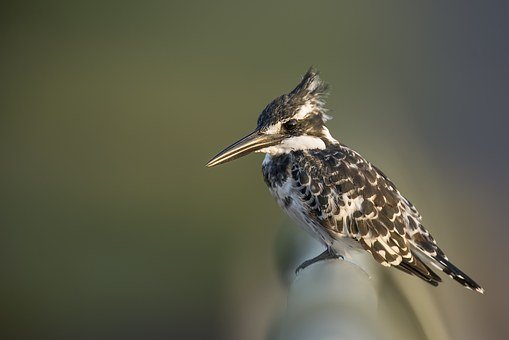
Birds are very common; swallows, partridges, quails, crows and rooks, and kingfishers remind one of England; but huge snake-birds, turkey bustards, panws, storks, vultures, besides numerous gaily-feathered ones, show a foreign country. Poultry do well without much care.
Snakes, Reptiles.—Serpents, snakes, adders, and vipers find this warm climate very congenial, though bites from them are very rare.
At times we are killing them almost every day, and sometimes two or three in one day.
Animals.—Wild animals are getting scarce here; but there are still leopards, panthers, and a few wild dogs, and the daman or hyrax capensis, called rock coney rabbit (a rhinoceros in miniature), and porcupines and antbears. Antelope and deer, too, are getting scarce.
Fifty years ago they abounded. There were elephants, lions, and the lion's prey—the eland.
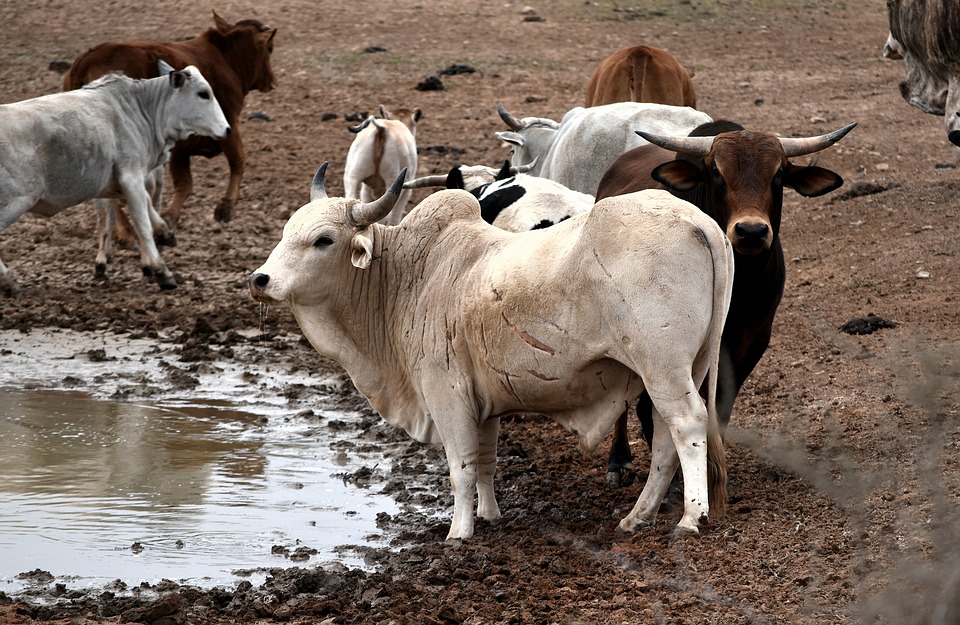
Hunting is a favourite pastime with the natives; they drive the deer, forming long lines. Cattle and sheep are numerous.
Herds of cattle form the chief wealth of the natives. They form part of the hereditary estate, and cannot be parted with readily. The calves are taken into their houses or huts at night, like children of the family.
Goats, too, are kept in large numbers.
On the high grounds the colonists thrive as sheep-farmers. Sheep sell now for £1 each. The sheep are small, like those of Wales and Yorkshire.
Horses are kept largely both by natives and white men. I lately met a chief in Griqualand attended by 200 mounted followers. Your ragged servant often has horses and cattle at home.
Jenkinson, Thomas B., Amazulu: The Zulus, Their Past History, Manners, Customs, and Language. W. H. Allen & Co., 1884
About TOTA
TOTA.world provides cultural information and sharing across the world to help you explore your Family’s Cultural History and create deep connections with the lives and cultures of your ancestors.