
Banquets of the Nations: Bulgaria
A collection of Bulgarian recipes from 1911, with recipes for Meat Soup, Stewed Trout, Stewed Cabbage and more.
From: 1911 C.E. To: 1911 C.E.

Note: This article has been excerpted from a larger work in the public domain and shared here due to its historical value. It may contain outdated ideas and language that do not reflect TOTA’s opinions and beliefs.
“Bulgaria“ from Banquets of the Nations by Robert H. Christie, 1911.
Soupa. (Meat Soup.)
Wash a brace of partridges and a hare, and put them into a saucepan with six quarts of cold water. When boiling, move the saucepan to the side of the fire, skim the liquor, and let it simmer for an hour; then take out the hare and partridges, and cut all the meat from the bones. Return the bones to the soup, and simmer for two hours longer, cut the flesh of the partridges and hare into nice sized pieces, and fry them in butter till well browned; then take them out of the pan, drain, and put them on a plate. Slice four onions, put them in the pan in which the meat was fried, adding more butter it necessary, and fry them till nicely browned; then put them in the soup along with a bunch of fine herbs and one pound of carrots and turnip. In two hours time strain the soup, put it again in the saucepan, and put in the fried meat and some small pieces of carrot and turnip that have been cooked in clear water. Mix three tablespoonfuls of ground rice with one breakfast-cupful of water to a smooth paste, then mix it gradually in with the soup; season with salt and pepper, and let it -simmer gently for ten minutes. Add game liver balls and meats to the soup, and boil it gently for twenty minutes longer. When ready to serve, turn the soup into a tureen.
Game Liver Balls.
With the livers of the hare and partridges, one teacupful of stale crumbs of bread, one egg, and one teacupful of thick butter milk, prepare a quenelle forcemeat, first mashing the livers, then mixing with them the bread and milk (which should have been boiled together) and the egg unbeaten; add a little lemon juice, season to taste with pepper and salt, and shape the mixture into small equal sized balls. Fry the balls in boiling butter till nicely and equally browned.
Agneshka Yahnia. (Ragout of Mutton.)
Cut one pound of lean mutton into small pieces, put them into a deep frying-pan or stewpan with a small quantity of fat, and fry them, adding salt and pepper to taste and a small quantity of water. Now add about one pound of French beans, carrots, and some shred cabbage, and simmer gently until cooked. Turn it out on a dish, after which make the following sauce:—
Balkan Sauce.
Put a slice of raw ham cut into small pieces into a saucepan with one wineglassful each of white wine and stock, one mushroom, a small bunch of herbs, and a sprinkling of cumin and pepper; reduce over the fire until the liquor is half its original quantity, then strain it through a fine sieve. Put a small lump of butter into another saucepan warm, it, and mix in a little flour; stir well until it is quite smooth, pour in a little stock, and reduce this to half its original quantity, add the first sauce, pieces of mutton and vegetables, and beat up; but do not boil.
Pestarva Yahnia. (Stewed Trout.)
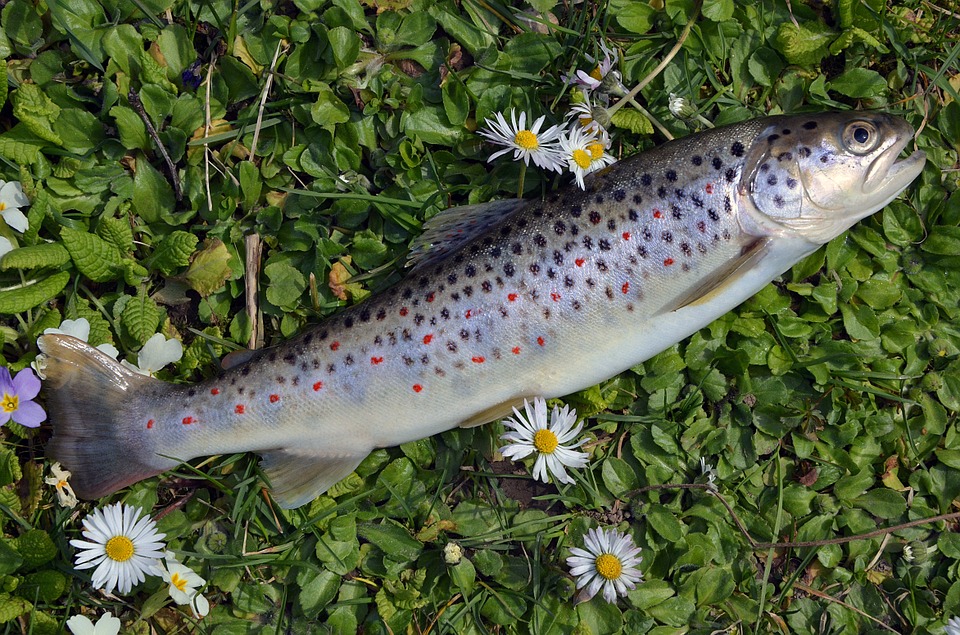
Clean and scale three or four large trout, put them into a saucepan, pour over two breakfast-cupfuls of boiling vinegar, which will turn them blue, add an equal quantity of white wine, and pour over sufficient water to cover them. Add one onion stuck with cloves, one carrot, half a head of celery, four bay leaves, a small bunch of parsley, one teaspoonful of peppercorns, and sufficient salt to taste; set the saucepan on the fire, and boil for about fifteen minutes with the cover on. Take out the fish when done, drain them, put them on a napkin on a dish, garnish with parsley, and serve with oil and vinegar, or any fish sauce, in a sauceboat, also with plain boiled potatoes.
Pile Petcheno s’ Oris. (Braised Fowl with Rice.)
Draw a fowl and break the breastbone with a knife. Fry a chopped onion in a saucepan with a little chopped fat bacon, add one breakfast-cupful of well-washed rice, cover it with gravy, and boil till the rice is dry; then take the stewpan from the fire, and add a little finely chopped raw ham and one pinch of pounded pimento. Stuff the fowl with this preparation, and truss it as for boiling. Put six ounces of butter in a stewpan, then put in the fowl, cover the breast with thin slices of fat bacon, put the lid on the pan with some red hot cinders on the top, and stand it over a moderate fire. When the fowl has browned all over, add half a pint of white wine and a small piece of glaze; put the lid on again, with some more live embers, and finish cooking. Fry some ham (cut in small pieces) and tomatoes, adding pepper, salt, a clove of garlic, a bunch of parsley, and a little grated nutmeg; drain off the fat, put the ham and tomatoes in the stewpan with the fowl, and leave them for ten minutes. Then dish the fowl (having taken off the strings), arrange the bacon, ham, and tomatoes round the dish, and serve.
Zele Yahnia. (Stewed Cabbage.)
Trim off the outer leaves of the cabbage, wash it thoroughly in plenty of water, then cut it into four pieces. Put the cabbage into a saucepan of boiling water with a lump of salt and a small piece of charcoal, and boil it slowly until tender. When cooked turn the cabbage into a colander, and drain it as much as possible. Put a lump of butter, about two ounces, into a stewpan, melt it, put in the cabbage, dredge small quantity of flour over it, pour in half a pint of thick sour milk, and season to taste with salt and pepper. Put the pan over a slow fire, and stir gently with a wooden spoon until the milk is nearly reduced. When cold, press out all the moisture, add one teacupful of cream to a quart bowlful of cabbage, and season with salt and pepper. Put two tablespoonfuls of butter into a frying pan over the fire, and let it get smoking hot; then put in the cabbage, and brown it quickly on the under side. Turn it at once upside down on a hot dish, and serve.
Yarebitza Petchena. (Braised Partridges.)
Clean and truss a brace of partridges. Put in a pan a good bit of butter, a sliced onion, a piece of ham, a sliced carrot, and the partridges on top. Fill the pan with good stock half up to the birds, and add a bunch of savoury herbs, a large bay leaf, some mild red pepper, and a little salt when nearly finished. Clear the gravy and stir in a cup of very thick sour cream and the same quantity of cullis of partridge, place all on the fire and finish cooking. Serve with fried potatoes and dressed salad.
Cullis of Partridge.
Pound roasted partridges; take a piece of veal cut into slices, with a bit of ham, put these into a stewpan with onions, and a carrot cut into bits; stew until it sticks, then moisten with good broth and gravy; season with a slice of lemon, a little sweet basil and mushrooms, and again stew very softly. This done, strain, skim the fat well off (let it be of a good taste), and mix your partridges with it, together with a ladleful of stock cullis; strain, and use it with any soups or stews.
Omelet s’ Sladko. (Sweet Omelet.)
Beat up eight eggs and add a little finely chopped lemon peel and a little castor sugar. Melt a good-sized piece of butter in a frying pan, or omelet pan, pour the beaten egg in, and fry both sides a light brown. Have ready a hot dish well sprinkled with castor sugar, score the omelet in lines like a herring-bone by holding a red-hot poker close to it; dish, sprinkle castor sugar over, and serve with any melted preserve poured over, flavoured with creme de menthe, or with thick sour milk whipped to a foam in a sauce boat.
Christie, Robert H. Banquets of the Nations: Eighty-Six Dinners Characteristic and Typical Each of Its Own Country. J. & J. Gray & Co. 1911.
About TOTA
TOTA.world provides cultural information and sharing across the world to help you explore your Family’s Cultural History and create deep connections with the lives and cultures of your ancestors.