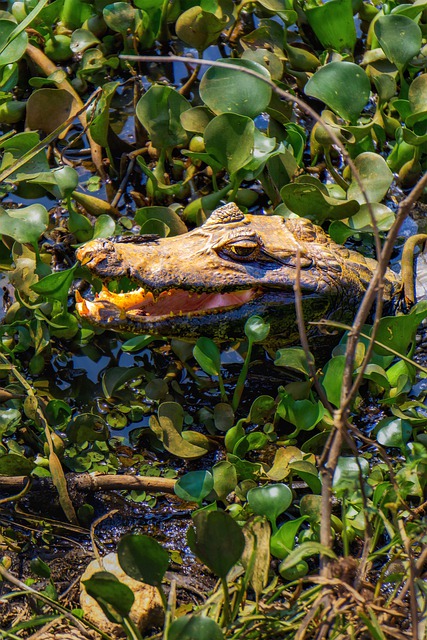

Video: The Pantanal Conservation Area
A visit to Brazil's unique Pantanal Region, the largest tropical wetland in the world.

The Amazon Rainforest may be Brazil’s most famous natural feature, but it’s far from the only ecosystem worth protecting. The Pantanal Region bordering Brazil, Bolivia, and Paraguay, for example, represents the largest tropical wetland in the world. Every year, around 75,000 square miles or 195,000 square kilometers of grassland and forest valleys are submerged during the rainy season. Then, as the floods dry up, land emerges once more.
The abundance of water, along with the variety of ecosystems flooded each year, have made the Pantanal a haven for wildlife. Unique animals like giant otters, anteaters, and armadillos, along with jaguars, capybaras, macaws, and capuchin monkeys, all call these seasonal waterways home. Their habitat is now threatened by forces like agriculture, logging, and climate change. To preserve at least a fraction of these critical ecosystems, four protected areas are now overseen as the Pantanal Conservation Area. The regions are considered a UNESCO World Heritage Site, places worth preserving for generations to come.
This video, courtesy of UNESCO, visits the Pantanal Conservation Area and explores the necessity of its protection.
Further Reading
“Pantanal Conservation Area.” UNESCO World Heritage Centre, UNESCO, whc.unesco.org/en/list/999/.
About TOTA
TOTA.world provides cultural information and sharing across the world to help you explore your Family’s Cultural History and create deep connections with the lives and cultures of your ancestors.